
Kata’s Many Names
The Glass RoomThis flow follows how Kata’s names shift between intimacy, paperwork, marriage, and public identity as she navigates precarious circumstances.
increasing Bearing strength in each event
 decreasing
Bearing strength in each eventdecreasingKata at the Wheel

A Name Offered Carefully
A brief introduction
Kata gives Viktor the name Kata when they meet in the Prater. He is unsure whether it is short for another name, and she does not explain further.
The incomplete introduction fits a relationship that begins with little expectation of trust.
Identity held back
Viktor knows a name and a few details, but not Kata’s address or family life. Her privacy gives her some control over an encounter structured by money and gender.
Kata Kalman on the Letter
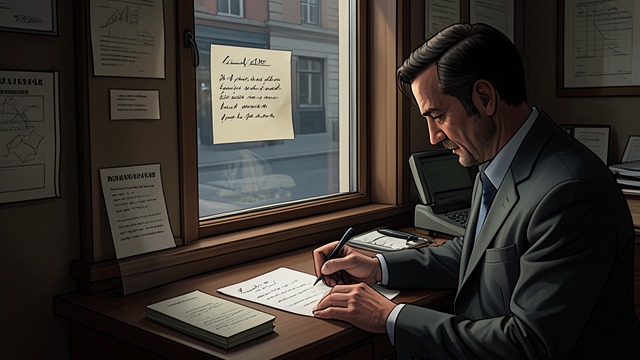
A Name on Paper
Contact arranged
Kata gives Viktor a name and a way to reach her through the station post office. The arrangement allows them to meet without requiring her to disclose where she lives.
Viktor uses the name to send brief messages and arrange visits.
A relationship documented
Their notes turn a private arrangement into a small written record. The words he writes acquire emotional meaning for Kata beyond the practical purpose he intended.
Katalin and Marika on the Road
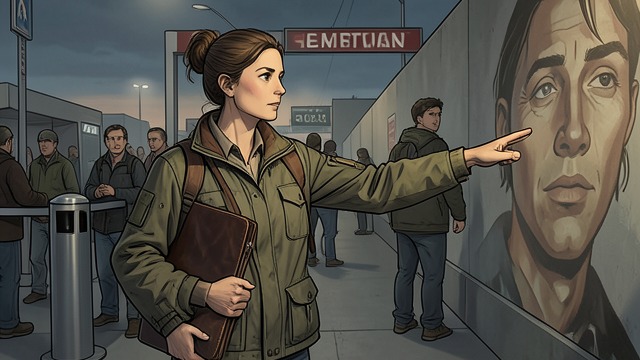
A Refugee Name
Papers and passage
As a refugee, Kata travels with Marika under a name and documents that will satisfy the authorities. Her identity is now not just personal but a question of recognition at borders.
The paperwork offers a route while marking her as someone without secure national protection.
From private to public
The woman who once chose what to tell Viktor must now present herself to committees and officials. The shift makes her personal history vulnerable to public scrutiny.
Frau Kalman in the Landauer House
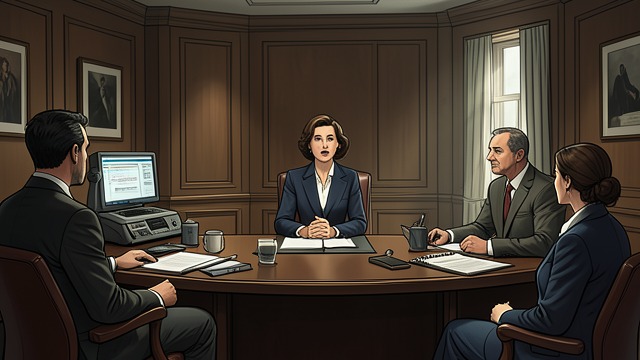
A Public Role and Private Past
The refugee guest
At the committee meeting, Kata is introduced as Mrs Kalman, a seamstress and widow. She speaks directly about the violence that forced her to flee.
Her public identity conceals the intimate history she shares with Viktor.
The name she chooses
Kata’s formal role as a refugee and worker lets her protect herself from the past. She decides when to reveal more, even as Liesel and Viktor begin to recognize her.
A Name Left Unresolved
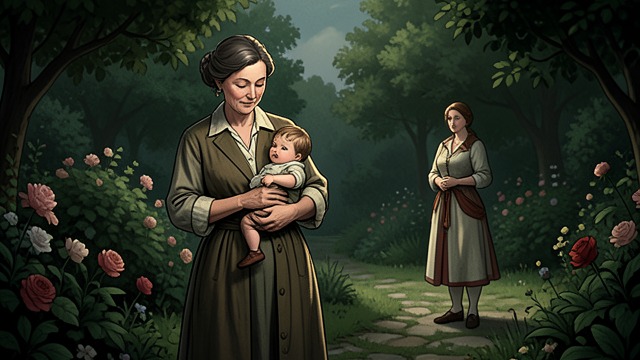
Who Was the Child?
Marie’s adult life
The child once known as Marika grows into Marie Delmas, a woman whose adult name and life are far removed from the Landauer household. The house brings back parts of her childhood identity.
Her meeting with Ottilie connects these different versions of herself.
The names remain layered
The novel does not reduce her to a single name or recovered past. Her identity holds both the child who lived among the Landauers and the adult who survived elsewhere.
During the first encounter with Viktor
After Viktor’s first visit to her apartment
During their flight from Vienna
During her stay in the chata
During Liesel’s return in 1990
